

Pregnancy Skincare Tips: How to Build a Safe and Effective Routine
Pregnancy is a unique period during which the skin undergoes many physical and hormonal changes. Following a proper skincare routine during this time is essential for both the comfort of the mother-to-be and overall skin health.
In this article, we explore how skincare should be approached during pregnancy, which ingredients to avoid, and what safe care practices to follow.
What Changes Occur in the Skin During Pregnancy?
Hormonal fluctuations during pregnancy can lead to several skin changes, including:
- Increased oil production and acne
- Dryness and sensitivity
- Hyperpigmentation (melasma)
- Redness and skin reactivity
For this reason, the ingredients in skincare products become more important than ever.
How Should Skincare Be During Pregnancy?
A pregnancy-safe skincare routine should be simple, clean, and formulated with safe ingredients.
1. Gentle Cleansing Choose cleansers that do not dry out the skin and are free from sulfates. Protecting the skin barrier is the most important step during this period.
2. Intensive Moisturizing Moisturizers containing natural oils and nourishing ingredients help support skin elasticity.
Key ingredients to look for:
- Shea butter
- Jojoba oil
- Avocado oil
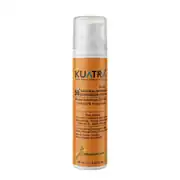
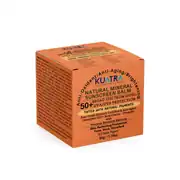
3. Mineral Sunscreen Use Skin pigmentation is very common during pregnancy, so sunscreen should not be neglected.
- Prefer mineral filters such as zinc oxide
- Avoid chemical filters whenever possible
Ingredients to Avoid During Pregnancy
Certain cosmetic ingredients may pose risks during pregnancy and should be used with caution:
- Retinol and its derivatives (Vitamin A)
- High concentrations of salicylic acid
- Parabens
- Phthalates
- Chemical sunscreen filters (such as oxybenzone)
Choosing clean formulations is the safest approach.
How to Prevent Melasma During Pregnancy
Melasma is one of the most common skin concerns during pregnancy.
To help prevent it:
- Use daily SPF
- Protect physically from the sun (hat, sunglasses)
- Use antioxidant ingredients (such as Vitamin E)
Why Choosing Natural and Clean Products Matters During Pregnancy
Some skincare ingredients can be absorbed through the skin, making ingredient safety especially important during pregnancy.
Clean beauty products:
- Are more compatible with the skin
- Help reduce sensitivity
- Minimize unnecessary chemical exposure
Minimal and multi-purpose products are the best choice during this period.
Sample Skincare Routine for Pregnancy
Morning:
- Gentle cleanser
- Moisturizer
- Mineral sunscreen
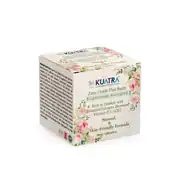
Evening:
- Cleanser
- Nourishing oil or moisturizer
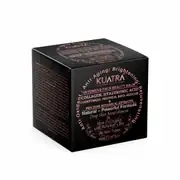
A simple yet effective routine helps maintain skin balance.
Conclusion: Less Products, Safer Care
The key approach to skincare during pregnancy is:
“Less, but the right ingredients.”
By choosing clean, safe, and effective formulations, you can protect both your skin and your baby while maintaining a healthy, natural glow.
REFERENCES
American College of Obstetricians and Gynecologists. (2020). Skin conditions during pregnancy.
European Commission. (2009). Regulation (EC) No 1223/2009 on cosmetic products.
Gonzalez, E., & Polanco, M. (2018). Melasma and pregnancy. Journal of Clinical and Aesthetic Dermatology, 11(2), 28–31.
Kroumpouzos, G., & Cohen, L. M. (2001). Specific dermatoses of pregnancy: An evidence-based systematic review. American Journal of Obstetrics and Gynecology, 185(4), 1083–1092.
Murase, J. E., Heller, M. M., & Butler, D. C. (2014). Safety of dermatologic medications in pregnancy and lactation. Journal of the American Academy of Dermatology, 70(3), 401.e1–401.e14.
Smijs, T. G., & Pavel, S. (2011). Titanium dioxide and zinc oxide nanoparticles in sunscreens: Focus on their safety and effectiveness. Nanotechnology, Science and Applications, 4, 95–112.
U.S. Food and Drug Administration. (2022). Skin care and cosmetics during pregnancy.