

What Should a Nighttime Skincare Routine Look Like? (Effective & Correct Routine Guide)
Nighttime is the most critical period when the skin undergoes its natural renewal process. Environmental factors, makeup residue, and sebum buildup accumulated throughout the day leave the skin looking tired. A proper nighttime routine allows the skin to breathe, supports the repair process, and provides a healthier complexion.
In this guide, we explore the essentials of nighttime skincare step-by-step, backed by scientific foundations and optimized for SEO.
Why is Nighttime Skincare Important?
During the night, the skin enters a regeneration phase. Cell renewal peaks particularly between 11:00 PM and 3:00 AM. Applying the right products during this window:
- Strengthens the skin barrier
- Helps reduce the appearance of dark spots
- Balances acne and comedone formation
- Diminishes the appearance of fine lines and wrinkles
Steps for a Nighttime Skincare Routine
1. Cleansing (Double Cleansing)
The most vital step of any nighttime routine is cleansing. For those who wear makeup or SPF, double cleansing is highly recommended:
- Step 1: Oil-based cleanser (dissolves makeup, SPF, and impurities)
- Step 2: Water-based cleanser (purifies the skin) 👉 Skipping this step can lead to clogged pores and inevitable breakouts.
2. Toner (Optional but Effective)
Toners balance the skin's pH levels and enhance the absorption of subsequent products.
- For sensitive skin: Alcohol-free and soothing ingredients.
- For oily/acne-prone skin: Gently purifying toners.
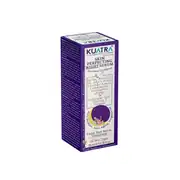
3. Serum (Targeted Care)
Serums deliver concentrated active ingredients directly to the skin. Key ingredients for nighttime include:
- Niacinamide: Balances sebum and minimizes the appearance of pores.
- Retinol: Supports cell turnover (should be used with caution).
- Botanical Oil-Based Actives: Powerful alternatives for sensitive skin.
4. Moisturizing and Barrier Repair
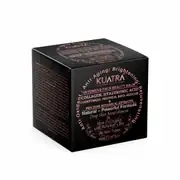
Nighttime moisturizing is critical for protecting the skin barrier.
- Oil-based balms are ideal for the night.
- Products containing Zinc Oxide soothe the skin.
- Natural oils support the skin barrier. 👉 For sensitive and acne-prone skin, minimal and clean ingredients are paramount.
5. Eye Care
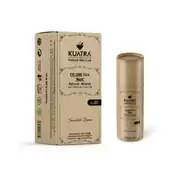
Since the skin around the eyes is thinner, it requires specialized care.
- Moisturizing ingredients for fine lines.
- Circulation-boosting formulas for dark circles.
What to Consider in Nighttime Care?
- Avoid overwhelming the skin; minimalist routines are more effective.
- Do not mix certain active ingredients simultaneously (e.g., Retinol + Acids).
- Apply products to clean and dry skin.
- Consistency is key—results require regular use.
Special Suggestion for Sensitive and Acne-Prone Skin
For skin types prone to sensitivity, comedones, and acne:
- Avoid heavy, pore-clogging ingredients.
- Opt for natural oil-based, minimalist formulas.
- Zinc oxide-infused products provide excellent support during nighttime repair.
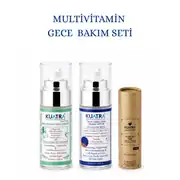
At this point, Kuatra’s oil-based and natural ingredient philosophy stands out as a powerful alternative, providing care while strictly protecting the skin barrier.
Conclusion: Correct Nighttime Routine = Healthy Skin
Nighttime skincare is not just a habit; it is the foundation of long-term skin health. With a consistent and correct routine, you can achieve a:
- More radiant
- Smoother
- More balanced complexion.
REFERENCES
American Academy of Dermatology Association. (t.y.). How to maximize results from anti-aging skin care products.
Draelos, Z. D. (2018). The science behind skin care: Cleansers. Journal of Cosmetic Dermatology, 17(1), 8–14.
Lyons, A. B., Moy, L., Moy, R., & Tung, R. (2019). Circadian rhythm and the skin: A review of the literature. The Journal of Clinical and Aesthetic Dermatology, 12(9), 42–45.
Mukherjee, S., Date, A., Patravale, V., Korting, H. C., Roeder, A., & Weindl, G. (2006). Retinoids in the treatment of skin aging: An overview of clinical efficacy and safety. Clinical Interventions in Aging, 1(4), 327–348.
Vaughn, A. R., Clark, A. K., Sivamani, R. K., & Shi, V. Y. (2018). Natural oils for skin-barrier repair: Ancient compounds now backed by modern science. American Journal of Clinical Dermatology, 19(1), 103–117.