
How to Do Acne-Safe Makeup? A Complete Non-Comedogenic Makeup Routine Guide
If you have acne-prone skin, wearing makeup can sometimes feel like a gamble. Many people worry that foundation, concealer, or other cosmetics will clog pores and trigger new breakouts.
The good news is that makeup itself is not necessarily the problem. Choosing the right products and following proper skincare practices can help minimize the risk of acne while allowing you to enjoy makeup confidently.
In this guide, you'll learn how to build an acne-safe makeup routine using non-comedogenic products and skin-friendly techniques.
1. Start with Proper Cleansing
Healthy makeup starts with clean skin.
Applying makeup over excess oil, dirt, sweat, and dead skin cells can increase the likelihood of clogged pores and acne formation.
Best Practices
- Use a gentle, sulfate-free cleanser.
- Avoid harsh scrubs that can irritate the skin.
- Cleanse thoroughly without over-drying.
A balanced cleansing routine helps create a clean canvas for makeup application while supporting the skin barrier.
Key Takeaway: Clean skin reduces the accumulation of pore-clogging debris and helps makeup sit more evenly
2. Moisturize Before Applying Makeup
One of the most common misconceptions is:
"My skin is oily, so I don't need moisturizer."
In reality, dehydrated skin may produce more oil in an attempt to compensate for moisture loss.
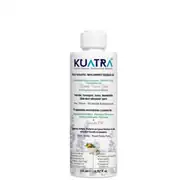
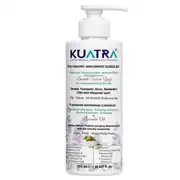
Look for Moisturizers That Are:
- Lightweight
- Non-comedogenic
- Fast-absorbing
- Barrier-supportive
Beneficial ingredients may include:
- Jojoba oil
- Grapeseed oil
- Glycerin
- Hyaluronic acid
- Ceramides
Proper hydration helps maintain skin balance and can improve the appearance and longevity of makeup.
3. Choose Non-Comedogenic Makeup Products
Selecting appropriate makeup products is one of the most important steps for acne-prone skin.
What Does Non-Comedogenic Mean?
A non-comedogenic product is formulated to minimize the likelihood of clogging pores and contributing to comedone formation (blackheads and whiteheads).
While no product can guarantee zero breakouts for every individual, non-comedogenic formulations are generally designed to be more suitable for acne-prone skin.
What to Look For
- Products labeled "non-comedogenic"
- Lightweight formulations
- Mineral-based pigments
- Zinc oxide-containing products when appropriate
Ingredients That May Benefit Acne-Prone Skin
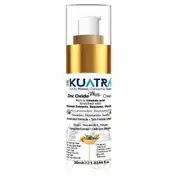
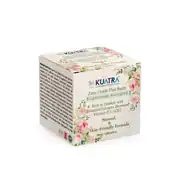
Zinc Oxide
Zinc oxide is widely used in cosmetics and may offer several benefits:
- Helps soothe visible redness
- Supports oil balance
- Provides broad-spectrum UV protection in sunscreen products
- Has mild antimicrobial properties
4. Avoid Heavy Makeup Layers
More coverage does not always mean better results.
Applying multiple thick layers of foundation and concealer can create a heavier film on the skin and may increase the risk of irritation.
Instead:
- Apply thin, buildable layers.
- Use spot concealing when possible.
- Focus coverage only where needed.
This approach often creates a more natural appearance while reducing product buildup on the skin.
5. Keep Makeup Brushes and Tools Clean
Even the best makeup products can become problematic if your tools are not clean.
Dirty brushes and sponges can accumulate:
- Oil
- Dead skin cells
- Makeup residue
- Bacteria
Cleaning Guidelines
- Wash brushes at least once per week.
- Clean makeup sponges more frequently if used daily.
- Use a gentle brush cleanser or mild soap.
- Allow tools to dry completely before reuse.
Regular cleaning helps maintain hygiene and may reduce skin irritation.
6. Remove Makeup Thoroughly Every Night
Sleeping with makeup on can contribute to clogged pores and skin congestion.
A Gentle Removal Routine
- Use an oil-based cleanser or makeup remover to dissolve makeup and sunscreen.
- Follow with a gentle facial cleanser to remove remaining residue.
This double-cleansing approach can effectively remove buildup while helping preserve the skin barrier.
7. Simplify Your Routine
Modern skincare increasingly emphasizes simplicity.
Using fewer, well-formulated products can help reduce the likelihood of irritation and ingredient overload.
Consider Multi-Functional Products
Examples include:
- Tinted moisturizers with skincare benefits
- Lip products that provide both color and hydration
- Lightweight complexion products with added sun protection
A streamlined routine can be easier on sensitive and acne-prone skin while still delivering effective results.
The 5 Golden Rules of Acne-Safe Makeup
✔ Start with clean skin
✔ Keep your skin properly hydrated
✔ Choose non-comedogenic products
✔ Avoid excessively heavy makeup layers
✔ Remove makeup completely before bed
Final Thoughts
Having acne-prone skin does not mean you must avoid makeup altogether.
The best makeup routine is one that works with your skin rather than against it. By prioritizing gentle cleansing, proper hydration, non-comedogenic formulations, and consistent makeup removal, you can enjoy makeup while supporting healthier-looking skin.
Remember: healthy skin is not about wearing less makeup—it's about making informed choices about the products and habits that come into contact with your skin every day.
References
- American Academy of Dermatology Association (AAD). Acne: Makeup and Skin Care Guidelines. https://www.aad.org
- Acne.org. Can Makeup Cause Acne? Ingredients and Best Practices for Acne-Prone Skin. https://www.acne.org
- WebMD. Acne Skin Care and Makeup Tips for Oily and Acne-Prone Skin. https://www.webmd.com
- Mayo Clinic Staff. Acne: Diagnosis and Treatment Overview. https://www.mayoclinic.org
- InStyle Beauty Science. What Does “Non-Comedogenic” Actually Mean? https://www.instyle.com
- Vogue Beauty Guide. Best Non-Comedogenic Makeup Products for Acne-Prone Skin. https://www.vogue.com
- DermNet NZ. Cosmetic Ingredients and Acne (Comedogenicity and Skin Reactions). https://dermnetnz.org