

Lavender Oil: Nature’s Quiet Power for the Skin
Among the most elegant scents offered by nature, lavender is more than just a fragrance, it’s a therapy for the senses and the skin. While commonly known as “relaxing,” lavender oil (Lavandula angustifolia) has scientifically backed benefits that extend deep into skin health. In this article, we explore its potential effects and safe application tips because your skin deserves the most natural kind of care.
1. What Is Lavender Oil and How Is It Formed?
Lavender essential oil is extracted from the flowers of the lavender plant primarily Lavandula angustifolia through steam distillation or other gentle extraction methods. It contains key natural compounds such as linalool and linalyl acetate, which are known for their aromatherapeutic and dermal benefits (Wikipedia; PMC).
The quality of lavender oil can vary depending on its growing region, distillation process, and chemical composition, factors that directly affect both its effectiveness and safety (PMC).
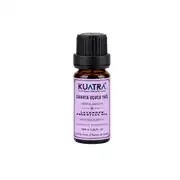
2. The Skin Benefits of Lavender Oil
🌿 a) Supports Wound and Tissue Repair
Scientific studies show that topical lavender oil may accelerate wound healing by increasing collagen production, improving connective tissue regeneration, and helping wounds close faster (PMC). This makes lavender oil a valuable ingredient for sensitive, irritated, or healing skin conditions.
💧 b) Anti-inflammatory, Antimicrobial & Sebum-Balancing Properties
Lavender oil’s antibacterial and antifungal effects are well-documented; research has shown that it can inhibit the growth of certain bacteria and fungi (PMC). It may also help balance sebum production in oily or acne-prone skin contributing to a clearer, more even complexion (Typology Paris).
🌼 c) Mind–Skin Connection: Stress, Skin Health, and Lavender
Skin health depends not only on external factors but also on emotional balance. Through its aromatherapeutic properties, lavender oil can help reduce stress and anxiety, which may indirectly decrease skin inflammation and support a stronger skin barrier (Healthline). At Kuatra, we embrace this holistic perspective the synergy of mind + body + skin as a forward-thinking approach to true beauty.
3. Application – Safe and Mindful Use
✅ a) Dilution and Patch Testing
Essential oils are highly concentrated and must be diluted with a carrier oil (such as jojoba or sweet almond oil) before skin application. They should never be used undiluted directly on the skin (Healthline). Before introducing a new formula, performing a small patch test is a wise and forward-looking practice.
✅ b) Skin Type & Purpose-Based Use
- Oily or acne-prone skin: Add diluted lavender oil to your morning routine to balance excess sebum.
- Dry or sensitive skin: Blend lavender oil with soothing carrier oils like jojoba or almond to restore comfort.
- Night routine: Use a serum containing lavender oil to combine sensory relaxation with visible skin renewal.
⚠️ c) Precautions and Considerations
Some studies report that at high concentrations, lavender oil can show cytotoxic effects in vitro (PMC). As with all essential oils, allergic reactions are possible — especially on delicate areas such as the eye contour — so start with minimal doses (WebMD). During pregnancy, breastfeeding, or when treating young children, it is always best to consult a dermatologist or qualified aromatherapy professional.
References
- Kajjari, S., Joshi, R. S., Hugar, S. M., et al. (2022). The Effects of Lavender Essential Oil and its Clinical Implications in Dentistry: A Review. International Journal of Clinical Pediatric Dentistry, 15(3), 385-388. Lee, J. H., Lee, J. H., Ye, S. K., et al. (2016). Wound healing potential of lavender oil by acceleration of granulation tissue formation and wound contraction through up-regulation of TGF-β. Evidence-Based Complementary and Alternative Medicine, 2016, Article 2031489. WebMD. (n.d.). Health Benefits of Lavender Essential Oil. Retrieved from MedicalNewsToday. (n.d.). Lavender oil for skin: Benefits, uses, and safety. Retrieved fromTypology. (n.d.). The skin benefits of true lavender essential oil. Retrieved from