

Mevsim geçişleri yalnızca doğayı değil, cildimizi de doğrudan etkileyen dönemlerdir. Özellikle yazdan sonbahara veya kıştan bahara geçiş sırasında sıcaklık, nem oranı, rüzgâr ve güneş ışığı miktarı değişir. Bu değişimler cildin nem dengesini, sebum üretimini ve bariyer fonksiyonunu etkileyebilir.
Bu nedenle mevsim geçişlerinde cilt bakım rutininin yeniden düzenlenmesi oldukça önemlidir. Doğru bakım adımları ile cilt daha dengeli, sağlıklı ve dayanıklı hale getirilebilir.
Mevsim Geçişlerinde Ciltte Neler Değişir?
Hava koşullarındaki değişim, ciltte çeşitli tepkilere neden olabilir. Bu dönemde en sık görülen durumlar şunlardır:
- Kuruluk ve pullanma
- Hassasiyet ve kızarıklık
- Gözeneklerde belirginleşme
- Sebum dengesinde değişim
- Sivilce ve komedon oluşumu
- Mat ve yorgun görünüm
Cilt bariyeri, çevresel stres faktörlerine karşı koruma sağlayan önemli bir yapıdır. Mevsim geçişlerinde bu bariyer zayıflayabilir. Bu nedenle bakım rutini hem nem desteği sağlamalı hem de cilt bariyerini güçlendirmeye yardımcı olmalıdır.
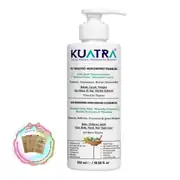
1. Nazik Temizlik Rutini Oluşturun
Mevsim geçişlerinde cildi aşırı temizlemek veya sert içerikli temizleyiciler kullanmak cilt bariyerine zarar verebilir.
Nazik temizleyiciler tercih edilmelidir. Cildi kurutmayan, doğal yağ dengesini koruyan formüller idealdir.
Özellikle şu özelliklere sahip temizleyiciler tercih edilebilir:
- Sülfatsız temizleyiciler
- Bitkisel içerikli formüller
- Cildi germeyen nazik yapılar
Nazik temizlik, bakım rutininin temelini oluşturur.

2. Cilt Nem Dengesini Güçlendirin
Mevsim değişimlerinde en sık görülen sorunlardan biri nem kaybıdır.
Cilt yeterli nemi kaybettiğinde:
- Elastikiyet azalır
- İnce çizgiler daha görünür hale gelir
- Cilt mat ve cansız görünür
Bu nedenle nem desteği sağlayan ürünler kullanılmalıdır.
Formüllerde bulunabilecek faydalı bileşenler şunlardır:
- Hyaluronik asit
- Bitkisel yağlar
- Antioksidanlar
- Vitamin E
Doğal yağlar ve antioksidan içerikli bakım ürünleri cildi beslerken aynı zamanda bariyer fonksiyonunun korunmasına da yardımcı olur.
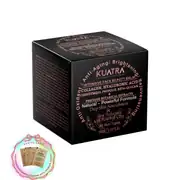
3. Cilt Bariyerini Destekleyen İçerikler Kullanın
Cilt bariyeri, dış etkenlere karşı koruyucu bir kalkan görevi görür. Mevsim geçişlerinde bu bariyeri güçlendirmek oldukça önemlidir.
Cilt bariyerini destekleyen bazı içerikler şunlardır:
- Seramidler
- Çinko
- Antioksidanlar
- Bitkisel aromaterapik yağlar
Özellikle çinko gibi mineraller ciltteki sebum dengesini destekleyebilir ve gözenek görünümünün azalmasına yardımcı olabilir.
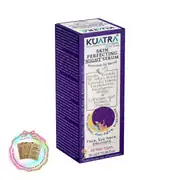

4. Antioksidan Destek Sağlayın
Mevsim değişimlerinde cilt oksidatif stres ile daha fazla karşılaşabilir.
Hava kirliliği, UV ışınları ve çevresel faktörler serbest radikallerin oluşumuna neden olabilir. Bu da cilt yaşlanmasını hızlandırabilir.
Antioksidan içerikler bu noktada önemli rol oynar.
Faydalı antioksidanlar:
- Vitamin E
- Resveratrol
- Bitkisel polifenoller
- Bitki özleri
Antioksidanlar cildi çevresel faktörlere karşı destekler.
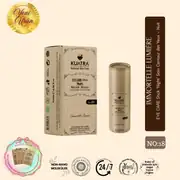
5. Güneş Korumasını İhmal Etmeyin
Mevsim değişse bile güneş ışınları cildi etkilemeye devam eder.
Bulutlu havalarda bile UV ışınlarının büyük bir kısmı yeryüzüne ulaşabilir. Bu nedenle güneş koruyucu kullanımı yalnızca yaz aylarına özel değildir.
Mineral filtre içeren güneş koruyucular hassas ciltler için iyi bir seçenek olabilir. Özellikle çinko oksit içeren güneş koruyucular geniş spektrumlu koruma sağlayabilir.

6. Cilt Tipine Göre Bakım Yapın
Her cilt tipi mevsim geçişlerinden farklı şekilde etkilenir.
Kuru ciltler
- Daha yoğun nemlendiricilere ihtiyaç duyabilir
- Bitkisel yağlar destekleyici olabilir
Yağlı ve akneye eğilimli ciltler
- Sebum dengeleyici içerikler tercih edilmelidir
- Gözenekleri tıkamayan ürünler kullanılmalıdır
Hassas ciltler
- Parfüm ve irritan içermeyen ürünler tercih edilmelidir
- Cilt bariyerini güçlendiren formüller önemlidir
Mevsim Geçişlerinde Cildi Destekleyen Doğal Yaklaşım
Doğal bitkisel yağlar, mineraller ve antioksidanlar içeren formüller mevsim geçişlerinde cildi desteklemek için iyi bir seçenek olabilir.
Bitkisel aromaterapik yağlar, vitaminler ve mineraller cildin ihtiyaç duyduğu bakım desteğini sağlayarak cildin daha dengeli görünmesine yardımcı olabilir.
Sonuç
Mevsim geçişleri cilt sağlığı için hassas dönemlerdir. Bu süreçte nazik temizlik, güçlü nem desteği, antioksidan koruma ve güneş koruyucu kullanımı cilt bakım rutininin temelini oluşturur.
Cildin ihtiyaçlarını doğru analiz ederek bakım rutinini düzenlemek, yıl boyunca daha sağlıklı ve dengeli bir cilt görünümü elde etmeye yardımcı olabilir.
How Should Skincare Be During Seasonal Transitions?
Seasonal transitions are periods that affect not only nature but also our skin. Especially during the shift from summer to autumn or from winter to spring, changes occur in temperature, humidity, wind and sunlight exposure. These changes can influence the skin’s moisture balance, sebum production and barrier function.
For this reason, adjusting your skincare routine during seasonal transitions is very important. With the right care steps, the skin can become more balanced, healthier and more resilient.
What Changes Occur in the Skin During Seasonal Transitions?
Changes in weather conditions can cause various reactions in the skin. The most common conditions during this period include:
- Dryness and flaking
- Sensitivity and redness
- More visible pores
- Changes in sebum balance
- Acne and comedone formation
- A dull and tired appearance
The skin barrier is an important structure that protects the skin against environmental stress factors. During seasonal transitions, this barrier may weaken. Therefore, the skincare routine should both support hydration and help strengthen the skin barrier.
1. Establish a Gentle Cleansing Routine
Over-cleansing the skin or using harsh cleansers during seasonal transitions may damage the skin barrier.
Gentle cleansers should be preferred. Formulas that do not dry out the skin and help maintain the natural oil balance are ideal.
Cleansers with the following characteristics may be beneficial:
- Sulfate-free cleansers
- Plant-based formulas
- Gentle textures that do not leave the skin feeling tight
Gentle cleansing forms the foundation of an effective skincare routine.
2. Strengthen the Skin’s Moisture Balance
One of the most common problems during seasonal changes is moisture loss.
When the skin loses sufficient moisture:
- Elasticity decreases
- Fine lines become more visible
- The skin appears dull and tired
Therefore, products that provide hydration support should be used.
Beneficial ingredients that may be included in skincare formulas include:
- Hyaluronic acid
- Plant oils
- Antioxidants
- Vitamin E
Natural oils and antioxidant-rich skincare products nourish the skin while also helping to maintain the skin barrier.
3. Use Ingredients That Support the Skin Barrier
The skin barrier acts as a protective shield against external factors. Strengthening this barrier during seasonal transitions is extremely important.
Some ingredients that help support the skin barrier include:
- Ceramides
- Zinc
- Antioxidants
- Botanical aromatherapeutic oils
Minerals such as zinc may help support sebum balance in the skin and contribute to reducing the appearance of pores.
4. Provide Antioxidant Support
During seasonal transitions, the skin may be exposed to increased oxidative stress.
Air pollution, UV radiation and environmental factors can lead to the formation of free radicals, which may accelerate skin aging.
Antioxidant ingredients play an important role in addressing this issue.
Beneficial antioxidants include:
- Vitamin E
- Resveratrol
- Plant polyphenols
- Botanical extracts
Antioxidants help support the skin against environmental stress factors.
5. Do Not Neglect Sun Protection
Even when the seasons change, sunlight continues to affect the skin.
Even on cloudy days, a large portion of UV rays can reach the earth’s surface. Therefore, the use of sunscreen is not limited to the summer months.
Mineral sunscreens may be a good option for sensitive skin. In particular, sunscreens containing zinc oxide can provide broad-spectrum protection.
6. Adjust Skincare According to Skin Type
Every skin type reacts differently to seasonal transitions.
Dry Skin
- May require richer moisturizers
- Plant oils can provide supportive nourishment
Oily and Acne-Prone Skin
- Sebum-balancing ingredients should be preferred
- Non-comedogenic products should be used
Sensitive Skin
- Fragrance-free and non-irritating products should be preferred
- Formulas that strengthen the skin barrier are important
A Natural Approach to Supporting the Skin During Seasonal Transitions
Formulas containing natural plant oils, minerals and antioxidants may help support the skin during seasonal transitions.
Botanical aromatherapeutic oils, vitamins and minerals can provide the care support the skin needs and help maintain a more balanced appearance.
Conclusion
Seasonal transitions are sensitive periods for skin health. During this time, gentle cleansing, strong hydration support, antioxidant protection and regular sunscreen use form the foundation of a good skincare routine.
By understanding the needs of the skin and adjusting the skincare routine accordingly, it is possible to maintain a healthier and more balanced complexion throughout the year.
KAYNAKÇA
Draelos, Z. D. (2018). Cosmetic dermatology: Products and procedures (3rd ed.). Wiley-Blackwell.
Baumann, L. (2009). Cosmetic dermatology: Principles and practice (2nd ed.). McGraw-Hill Medical.
Bissett, D. L., Oblong, J. E., & Berge, C. A. (2015). Niacinamide: A B vitamin that improves aging facial skin appearance. Dermatologic Surgery, 41(7), 802–810. https://doi.org/10.1097/DSS.0000000000000367
Pinnell, S. R. (2003). Cutaneous photodamage, oxidative stress, and topical antioxidant protection. Journal of the American Academy of Dermatology, 48(1), 1–19. https://doi.org/10.1067/mjd.2003.16
Rawlings, A. V., & Harding, C. R. (2004). Moisturization and skin barrier function. Dermatologic Therapy, 17(1), 43–48. https://doi.org/10.1111/j.1396-0296.2004.04005.x
Proksch, E., Brandner, J. M., & Jensen, J. M. (2008). The skin: An indispensable barrier. Experimental Dermatology, 17(12), 1063–1072. https://doi.org/10.1111/j.1600-0625.2008.00786.x
D’Orazio, J., Jarrett, S., Amaro-Ortiz, A., & Scott, T. (2013). UV radiation and the skin. International Journal of Molecular Sciences, 14(6), 12222–12248. https://doi.org/10.3390/ijms140612222
Pullar, J. M., Carr, A. C., & Vissers, M. C. M. (2017). The roles of vitamin C in skin health. Nutrients, 9(8), 866. https://doi.org/10.3390/nu9080866