
Hamilelik, ciltte hem fiziksel hem hormonal birçok değişimin yaşandığı özel bir dönemdir. Bu süreçte doğru cilt bakımı uygulamak, hem anne adayının konforu hem de cilt sağlığı için büyük önem taşır.
Bu yazıda, hamilelikte cilt bakımı nasıl olmalı, hangi içeriklerden kaçınılmalı ve güvenli bakım önerileri nelerdir detaylı şekilde ele alıyoruz.
Hamilelikte Ciltte Ne Gibi Değişimler Olur?
Hamilelik sürecinde hormon seviyelerindeki artış, ciltte çeşitli değişimlere neden olabilir:
- Ciltte yağlanma artışı ve akne oluşumu
- Kuruluk ve hassasiyet
- Leke (melazma) oluşumu
- Ciltte kızarıklık ve reaktivite
Bu nedenle kullanılan ürünlerin içeriği her zamankinden daha kritik hale gelir.
Hamilelikte Cilt Bakımı Nasıl Olmalı?
Hamilelik döneminde cilt bakım rutini sade, temiz içerikli ve güvenli olmalıdır.
1. Nazik Temizleyici Kullanımı
Cildi kurutmayan, sülfat içermeyen temizleyiciler tercih edilmelidir. Cilt bariyerini korumak bu dönemde en önemli adımdır.
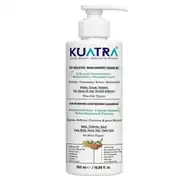
2. Yoğun Nemlendirme
Doğal yağlar ve besleyici içerikler içeren nemlendiriciler cilt elastikiyetini destekler.
Öne çıkan içerikler:
- Shea yağı
- Jojoba yağı
- Avokado yağı
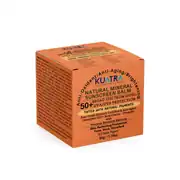
3. Mineral Güneş Koruyucu Kullanımı
Hamilelikte cilt lekeleri çok yaygındır. Bu nedenle güneş koruyucu kullanımı ihmal edilmemelidir.
- Çinko oksit içeren mineral filtreler tercih edilmelidir
- Kimyasal filtrelerden mümkün olduğunca kaçınılmalıdır
Hamilelikte Kaçınılması Gereken İçerikler
Bu dönemde bazı kozmetik içerikler risk oluşturabileceği için dikkatli olunmalıdır:
- Retinol ve türevleri (Vitamin A)
- Salisilik asit (yüksek oranlarda)
- Parabenler
- Ftalatlar
- Kimyasal güneş filtreleri (oxybenzone gibi)
Temiz içerikli ürün tercih etmek bu noktada en güvenli yaklaşımdır.
Hamilelikte Leke (Melazma) Nasıl Önlenir?
Melazma, hamilelikte en sık karşılaşılan cilt problemlerinden biridir.
Korunmak için:
- Günlük SPF kullanımı
- Güneşten fiziksel korunma (şapka, gözlük)
- Antioksidan içerikler (E vitamini gibi)
Hamilelikte Doğal ve Temiz İçerikli Ürün Seçimi Neden Önemli?
Hamilelikte kullanılan ürünlerin bir kısmı cilt yoluyla emilebilir. Bu nedenle içerik güvenliği büyük önem taşır.
Temiz içerikli ürünler:
- Ciltle daha uyumludur
- Hassasiyeti azaltır
- Gereksiz kimyasal yükü minimize eder
Minimal ve çok amaçlı ürünler bu dönemde en doğru seçimdir.
Hamileler İçin Örnek Cilt Bakım Rutini
Sabah:
Akşam:
Basit ama etkili bir rutin, cildin dengede kalmasını sağlar.
Sonuç: Daha Az Ürün, Daha Güvenli Bakım
Hamilelikte cilt bakımında en önemli yaklaşım şudur:
“Az ama doğru içerik.”
Cildinizi yormayan, temiz içerikli ve güvenli formüllerle hem kendinizi hem bebeğinizi koruyabilirsiniz.
KAYNAKÇA
American College of Obstetricians and Gynecologists. (2020). Skin conditions during pregnancy.
European Commission. (2009). Regulation (EC) No 1223/2009 on cosmetic products.
Gonzalez, E., & Polanco, M. (2018). Melasma and pregnancy. Journal of Clinical and Aesthetic Dermatology, 11(2), 28–31.
Kroumpouzos, G., & Cohen, L. M. (2001). Specific dermatoses of pregnancy: An evidence-based systematic review. American Journal of Obstetrics and Gynecology, 185(4), 1083–1092.
Murase, J. E., Heller, M. M., & Butler, D. C. (2014). Safety of dermatologic medications in pregnancy and lactation. Journal of the American Academy of Dermatology, 70(3), 401.e1–401.e14.
Smijs, T. G., & Pavel, S. (2011). Titanium dioxide and zinc oxide nanoparticles in sunscreens: Focus on their safety and effectiveness. Nanotechnology, Science and Applications, 4, 95–112.
U.S. Food and Drug Administration. (2022). Skin care and cosmetics during pregnancy.