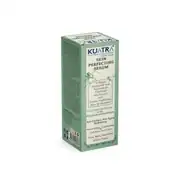
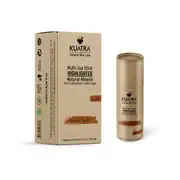
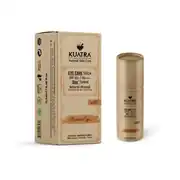
Doğal Kozmetik ve Sürdürülebilir Güzellik

Doğal Kozmetik ve Sürdürülebilir Güzellik

Doğal Kozmetik ve Sürdürülebilir Güzellik

Kozmetik sektörünün geleceği artık yalnızca performansla değil, sürdürülebilirlik, çevresel etki ve içerik kalitesiyle şekilleniyor. Bu nedenle doğal kozmetik ve sürdürülebilir kozmetik kavramları her geçen gün daha fazla önem kazanıyor.

Doğa Milyonlarca Yıllık Bir Ar-Ge Merkezidir

Bitkiler milyonlarca yıldır güneş ışınlarına, oksidatif strese, kuraklığa ve çevresel etkilere karşı kendi savunma sistemlerini geliştiriyor. Bugün kozmetik sektöründe kullanılan birçok değerli aktif bileşen aslında bu doğal savunma mekanizmalarının bir parçasıdır.

Bitkisel yağlar, antioksidanlar, vitaminler, mineraller, fitosteroller ve polifenoller bakımından zengin içerikler cildin doğal yapısını desteklemeye yardımcı olabilir. Bu nedenle doğal cilt bakımı yaklaşımı yalnızca bir trend değil, doğanın uzun evrimsel deneyiminden ilham alan bilimsel bir yaklaşımdır.
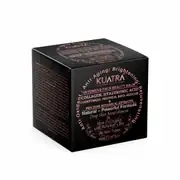
Doğal Yağlar Bir İçerikten Fazlasıdır

Modern kozmetik endüstrisinde sıklıkla belirli bileşenler bitki özlerinden ayrıştırılır ve tek başlarına kullanılır. Linoleik asit, skualen, E vitamini, oleik asit ve çeşitli antioksidanlar bunun en bilinen örnekleridir.

Diğer taraftan bakıldığında doğada bu bileşenler birbirlerinden bağımsız değildir.

Bir bitkinin tohumu veya meyvesinden elde edilen yağ; linoleik asit, alfa-linolenik asit, oleik asit, doğal tokoferoller (E vitamini), fitosteroller, karotenoidler, polifenoller ve daha birçok değerli bileşeni doğal dengesi içerisinde birlikte taşır.

Burada önemli bir soru ortaya çıkar:

Doğanın zaten mükemmel şekilde oluşturduğu bu yapıyı ayrıştırıp yeniden bir araya getirmeye çalışmak mı daha doğrudur, yoksa bu bütünsel yapıyı koruyarak kullanmak mı?

Çoğu zaman doğal yağların gerçek değeri yalnızca içerdikleri tek bir aktif maddede değil, bu bileşenlerin birbirleriyle oluşturduğu doğal sinerjide saklıdır.

Linoleik Asit, Skualen ve E Vitamininin Önemi

Doğal bitkisel yağların içerisinde bulunan linoleik asit, cilt bariyerinin önemli yapı taşlarından biridir. Cildin nem dengesinin korunmasına ve daha sağlıklı görünmesine katkıda bulunabilir.

Skualen, insan cildinin doğal sebumunda da bulunan değerli bir lipittir. Cilde yumuşaklık kazandırmaya, esnek görünümü desteklemeye ve nem kaybının azaltılmasına yardımcı olabilir.

Doğal E vitamini (tokoferoller) ise güçlü antioksidan özellikleriyle bilinir. Çevresel faktörlerin oluşturduğu oksidatif stresin etkilerine karşı cilt bakımında destekleyici rol oynayabilir.

Bunların yanında doğal yağlarda bulunan:

  • Fitosteroller
  • Karotenoidler
  • Polifenoller
  • Fenolik bileşikler
  • Esansiyel yağ asitleri
  • Doğal antioksidanlar

cildin daha canlı, daha dengeli ve daha aydınlık görünmesine katkı sağlayabilir.
Güzellik Bazen Eklemekten Çok Korumaktır

Artık amaç yalnızca cilde yeni bileşenler eklemek değil, cildin kendi doğal işleyişini desteklemek olarak görülüyor.

Doğal yağlar ve bitkisel içerikler, cildin lipid yapısını destekleyerek daha dolgun, daha esnek ve daha sağlıklı görünen bir cilt görünümüne katkıda bulunabilir. Düzenli bakım, cildin ışığı daha iyi yansıtmasına yardımcı olabilir ve bu da doğal bir ışıltı olarak kendini gösterebilir.

Belki de gerçek güzellik; cildin doğal dengesini bozmadan onun ihtiyaç duyduğu desteği sunabilmektir.

Sürdürülebilir Kozmetik Neden Önemlidir?

Kullandığımız her kozmetik ürününün bir yaşam döngüsü vardır.

Üretim aşamasında kullanılan hammaddeler, enerji kaynakları, ambalaj materyalleri ve lojistik süreçleri çevresel bir etki oluşturur. Kullanım sonrasında ise ürün kalıntıları ve ambalajlar toprağa, suya ve havaya karışabilir.

Bu nedenle sürdürülebilir güzellik anlayışı yalnızca içerikle sınırlı değildir.

Çevre dostu ambalajlar, geri dönüştürülebilir materyaller, doğal kaynakların bilinçli kullanımı ve uzun ömürlü ürün tasarımları geleceğin kozmetik yaklaşımının temelini oluşturmaktadır.

Çünkü bugün kullandığımız her ürünün etkisi yalnızca cildimizde değil, gezegenimiz üzerinde de görülmektedir.

Geleceğin Kozmetiği

Geleceğin kozmetik markaları yalnızca etkili ürünler geliştiren markalar olmayacak.

Aynı zamanda;

  • Sürdürülebilir kozmetik anlayışını benimseyen,
  • Doğal içeriklere değer veren,
  • Çevre dostu ambalajlar kullanan,
  • Bilimi ve doğayı bir araya getiren,
  • Şeffaf üretim süreçleri sunan

markalar öne çıkacak.
Çünkü gerçek inovasyon bazen yeni bir molekül keşfetmekten değil, doğanın zaten sunduğu bilgeliği anlayabilmekten geçer.

Sonuçta kullandığımız her ürün bir gün toprağa, suya veya havaya karışacaktır.

Bu nedenle gerçek güzellik yalnızca aynada gördüğümüz görüntü değil, gelecek nesillere bırakacağımız dünyadır.🌱

Kaynakça

United Nations Environment Programme. (2018). Single-use plastics: A roadmap for sustainability (Rev. 2). UNEP. 

World Health Organization. (2024). Chemical safety. World Health Organization. 

Lin, T. K., Zhong, L., & Santiago, J. L. (2018). Anti-inflammatory and skin barrier repair effects of topical application of some plant oils. International Journal of Molecular Sciences, 19(1), 70. 

Vaughn, A. R., & Sivamani, R. K. (2015). Effects of linoleic acid and its role in healthy skin. Journal of Clinical and Aesthetic Dermatology, 8(6), 38–42.

Meyer, T. A., & Jacobsen, C. (2023). Natural tocopherols and antioxidant stability in plant oils. Foods, 12(4), 756.

Natural Cosmetics and Sustainable Beauty

The future of the cosmetics industry is no longer defined solely by performance. Sustainability, environmental impact, ingredient quality, and responsible production have become equally important. As a result, natural cosmetics and sustainable beauty are gaining increasing attention worldwide.

Nature: A Research and Development Laboratory Millions of Years in the Making

Plants have spent millions of years developing sophisticated defense systems against sunlight, oxidative stress, drought, and environmental challenges. Many of the valuable active ingredients used in cosmetics today are derived from these natural protective mechanisms.

Rich in antioxidants, vitamins, minerals, phytosterols, and polyphenols, plant-based ingredients can help support the skin’s natural functions. For this reason, natural skincare is not merely a trend—it is a science-inspired approach rooted in nature’s long evolutionary wisdom.

Natural Oils Are More Than Just Ingredients

Modern cosmetic manufacturing often isolates specific compounds and uses them individually. Linoleic acid, squalene, vitamin E, oleic acid, and various antioxidants are among the most common examples.

Yet in nature, these compounds do not exist independently.

An oil extracted from a seed, nut, or fruit naturally contains a complex blend of linoleic acid, alpha-linolenic acid, oleic acid, natural tocopherols (vitamin E), phytosterols, carotenoids, polyphenols, and numerous other beneficial compounds—all existing in a balanced and synergistic system.

This raises an important question:

Is it better to separate nature’s perfectly balanced composition and rebuild it piece by piece, or to preserve and utilize it in its naturally integrated form?

The true value of natural oils often lies not in a single active ingredient but in the synergy created by their naturally occurring components working together.

The Importance of Linoleic Acid, Squalene, and Vitamin E

Among the naturally occurring compounds found in plant oils, linoleic acid is one of the key building blocks of the skin barrier. It helps support moisture retention and contributes to a healthier-looking complexion.

Squalene, a lipid naturally present in human sebum, is known for helping the skin maintain softness, flexibility, and hydration. It can contribute to a smoother and more supple appearance.

Natural vitamin E (tocopherols) is widely recognized for its antioxidant properties. It helps protect both the oil itself and the skin from oxidative stress caused by environmental factors.

In addition, many plant oils naturally contain:

  • Phytosterols
  • Carotenoids
  • Polyphenols
  • Phenolic compounds
  • Essential fatty acids
  • Natural antioxidants

These naturally occurring compounds can contribute to a more balanced, radiant, and healthy-looking appearance.

Beauty Is Often About Preserving Rather Than Adding

The modern understanding of beauty is evolving.

Today, the goal is no longer simply to add more ingredients to the skin but to support the skin’s own natural processes and maintain its balance.

Plant oils and botanical ingredients can help support the skin’s lipid structure, contributing to a softer, more elastic, and healthier-looking complexion. Consistent care may help the skin reflect light more evenly, creating a naturally luminous appearance.

Perhaps true beauty is not about changing the skin, but about helping it function at its best.

Why Sustainable Cosmetics Matter

Every cosmetic product has a lifecycle.

The raw materials used during production, the energy consumed, the packaging selected, and the transportation processes all leave an environmental footprint. Eventually, product residues and packaging materials may find their way into the soil, water, and air.

For this reason, sustainable beauty extends far beyond ingredient selection.

Environmentally responsible packaging, recyclable materials, conscious resource management, and long-lasting product design are becoming fundamental principles of the cosmetics industry of the future.

The impact of the products we use is not limited to our skin—it also affects the world around us.

The Future of Cosmetics

The most successful cosmetic brands of the future will not simply be those that create effective products.

They will be brands that:

  • Embrace sustainable cosmetic practices,
  • Value naturally derived ingredients,
  • Utilize environmentally responsible packaging,
  • Combine science with nature,
  • Promote transparency throughout their production processes.

True innovation is not always about discovering a new molecule. Sometimes it is about understanding and respecting the intelligence that nature has already developed.

Ultimately, every product we use will one day return to the environment—whether to the soil, the water, or the air.

For this reason, true beauty is not only what we see in the mirror. It is also the world we leave behind for future generations.

When we can create products that care for both skin and planet, we move closer to the true meaning of sustainable beauty.

References

United Nations Environment Programme. (2018). Single-use plastics: A roadmap for sustainability (Rev. 2). UNEP. https://wedocs.unep.org/handle/20.500.11822/25496

World Health Organization. (2024). Chemical safety. World Health Organization. https://www.who.int/health-topics/chemical-safety

Lin, T. K., Zhong, L., & Santiago, J. L. (2018). Anti-inflammatory and skin barrier repair effects of topical application of some plant oils. International Journal of Molecular Sciences, 19(1), 70.

Vaughn, A. R., & Sivamani, R. K. (2015). Effects of linoleic acid and its role in healthy skin. Journal of Clinical and Aesthetic Dermatology, 8(6), 38–42.

Meyer, T. A., & Jacobsen, C. (2023). Natural tocopherols and antioxidant stability in plant oils. Foods, 12(4), 756.

KUATRA EKİBİ tarafından hazırlanmıştır.