
Makyaj yaptıktan kısa süre sonra fondötenin topaklanması, kapatıcının çizgilere dolması ya da cildin pütür pütür görünmesi birçok kişinin yaşadığı yaygın bir sorundur. Özellikle kuru cilt, yanlış ürün seçimi, yetersiz cilt bakımı ve hatalı uygulama teknikleri bu görüntüye neden olabilir. Peki makyajın pürüzsüz, canlı ve profesyonel görünmesi için neler yapılmalı? İşte makyajın pütür pütür olmaması için yapılması gerekenler.
Makyaj Neden Pütür Pütür Olur?
Makyajın ciltte kusurlu görünmesinin en yaygın nedenleri şunlardır:
- Cildin yeterince nemlendirilmemesi
- Ölü deri birikimi
- Yanlış baz ve fondöten kullanımı
- Fazla ürün uygulamak
- Ürünlerin birbiriyle uyumsuz içerikte olması
- Kirli makyaj fırçaları ve süngerler
- Cilt tipine uygun olmayan makyaj ürünleri
Bu sorunların önüne geçmek için doğru hazırlık ve doğru ürün seçimi büyük önem taşır.
1. Cildi Makyaja Hazırlayın
Pürüzsüz makyajın sırrı, iyi hazırlanmış cilttir. Makyaj öncesinde cildinizi nazik bir temizleyici ile arındırın. Ardından cilt tipinize uygun bir nemlendirici uygulayın.
Nemli ve dengeli bir cilt yüzeyi, fondötenin daha eşit yayılmasını sağlar. Özellikle kuru ciltlerde makyajın pütür pütür durmasının ana nedeni nem eksikliğidir.
2. Haftalık Peeling Uygulayın
Ölü deri tabakası cilt yüzeyinde kaldığında fondöten cilde tutunamaz ve parçalı görünür. Haftada 1 veya 2 kez nazik peeling uygulamak cildi yeniler ve makyajın daha düzgün görünmesine yardımcı olur.
Hassas ciltlerde fiziksel peeling yerine enzim veya hafif asit içerikli ürünler tercih edilmelidir.
3. Doğru Makyaj Bazı Kullanın
Primer yani makyaj bazı, gözenek görünümünü azaltır ve cilt yüzeyini dengeler. Eğer geniş gözenek, yağlanma veya ince çizgi sorunu varsa doğru bir baz kullanmak makyaj kalitesini ciddi şekilde artırır.
- Kuru ciltler için nem veren baz
- Yağlı ciltler için matlaştırıcı baz
- Gözenekli ciltler için pürüzsüzleştirici baz
4. Fondöteni İnce Katmanlar Halinde Uygulayın
Fazla fondöten sürmek daha iyi kapatıcılık sağlamaz, aksine ciltte birikme yapar. İnce katmanlar halinde uygulayıp ihtiyaç duyulan bölgelere ikinci kat geçmek daha doğal sonuç verir.
Nemli makyaj süngeri ile tampon hareketlerle uygulamak pürüzsüz görünüm sağlar.
5. Ürün İçeriklerini Birbirine Karıştırmayın
Su bazlı fondöten ile silikon bazlı primer bazı zamanlarda birbirine uyum sağlamayabilir. Bu da makyajın soyulmasına ve pütür pütür görünmesine neden olur.
Ürünlerin içerik yapılarının benzer olması daha iyi sonuç verir.
6. Pudrayı Fazla Kullanmayın
Aşırı pudra kullanımı özellikle göz altı, burun çevresi ve mimik bölgelerinde topaklanma yaratır. Pudrayı sadece ihtiyaç duyulan bölgelere, ince bir tabaka halinde uygulayın.
7. Makyaj Süngerini ve Fırçaları Temiz Tutun
Kirli fırçalar hem bakteri biriktirir hem de ürünü cilde eşit dağıtmaz. Düzenli temizlenen fırçalar ve süngerler makyaj performansını artırır.
8. Doğal ve Cilt Dostu Ürünler Tercih Edin
Yoğun sentetik içerikli, ağır yapıdaki ürünler bazı ciltlerde birikme yapabilir. Daha hafif yapılı, ciltle uyumlu ve doğal içerikli ürünler cilt üzerinde daha estetik durabilir. Özellikle hassas ciltlerde temiz içerikli ürün seçimi önemlidir.
Makyajın Gün Boyu Pürüzsüz Kalması İçin Ekstra İpucu
Makyaj bitiminde sabitleyici sprey kullanmak ürünlerin ciltle bütünleşmesini sağlar. Böylece pudramsı görüntü azalır, daha doğal ve taze bir bitiş elde edilir.
Sonuç
Makyajın pütür pütür görünmesini önlemek için sadece iyi bir fondöten yeterli değildir. Cildi doğru hazırlamak, uygun ürün seçmek ve doğru uygulama tekniklerini kullanmak gerekir. Düzenli bakım yapılan sağlıklı bir ciltte makyaj her zaman daha güzel görünür.
Doğal ışıltılı, pürüzsüz ve profesyonel bir makyaj görünümü için önce cildinize yatırım yapın. Çünkü en iyi makyaj, iyi bakılmış cilt üzerinde durur.
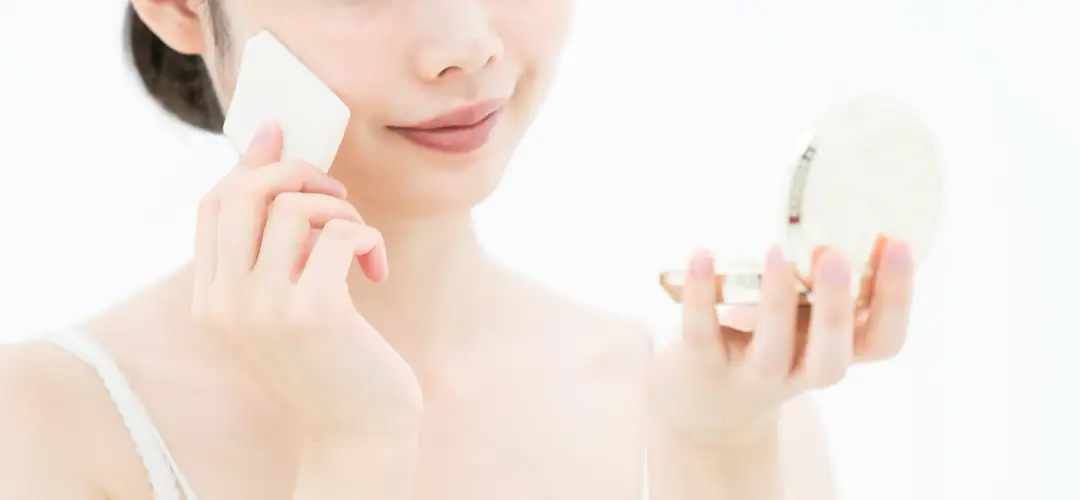
What to Do to Prevent Makeup from Looking Patchy and Textured
If your foundation starts clumping shortly after application, your concealer settles into lines, or your skin looks rough and uneven, you are not alone. This is a common issue many people experience. Dry skin, choosing the wrong products, insufficient skincare, and incorrect application techniques can all cause makeup to appear patchy. So what should you do to achieve smooth, radiant, and professional-looking makeup? Here are the best tips to prevent makeup from looking textured.
Why Does Makeup Look Patchy?
The most common reasons makeup looks uneven on the skin include:
- Skin not being properly moisturized
- Build-up of dead skin cells
- Using the wrong primer or foundation
- Applying too much product
- Using products with incompatible formulas
- Dirty makeup brushes and sponges
- Using products unsuitable for your skin type
To avoid these problems, proper skin preparation and choosing the right products are essential.
1. Prepare Your Skin Before Makeup
The secret to flawless makeup is well-prepared skin. Before applying makeup, cleanse your skin with a gentle cleanser. Then apply a moisturizer suitable for your skin type.
Hydrated and balanced skin allows foundation to spread more evenly. Especially for dry skin, lack of moisture is one of the main reasons makeup looks textured.
2. Exfoliate Weekly
When dead skin cells remain on the surface, foundation cannot adhere properly and may appear flaky. Using a gentle exfoliator once or twice a week helps renew the skin and creates a smoother makeup finish.
For sensitive skin, enzyme exfoliants or mild acid-based products are recommended instead of harsh physical scrubs.
3. Use the Right Makeup Primer
Primer helps minimize the appearance of pores and smooth the skin surface. If you have enlarged pores, oiliness, or fine lines, using the right primer can significantly improve your makeup results.
- Hydrating primer for dry skin
- Mattifying primer for oily skin
- Smoothing primer for visible pores
4. Apply Foundation in Thin Layers
Using too much foundation does not create better coverage. Instead, it can build up on the skin. Apply thin layers and add extra coverage only where needed for a more natural finish.
Use a damp makeup sponge and press the product into the skin with tapping motions for a smooth result.
5. Avoid Mixing Incompatible Formulas
Water-based foundation and silicone-based primer may not always work well together. This can cause makeup to separate and look patchy.
Using products with similar base formulas usually gives better results.
6. Do Not Overuse Powder
Too much powder can cause cakiness, especially under the eyes, around the nose, and on expression lines. Apply powder only where needed and in a thin layer.
7. Keep Makeup Brushes and Sponges Clean
Dirty brushes can collect bacteria and prevent even product application. Regularly cleaned tools improve both hygiene and makeup performance.
8. Choose Skin-Friendly and Natural Products
Heavy formulas with intense synthetic ingredients may build up on some skin types. Lightweight, skin-compatible, and naturally inspired products often sit better on the skin. This is especially important for sensitive skin.
Extra Tip for Smooth Makeup All Day
Finish your makeup with a setting spray. It helps products blend into the skin, reduces a powdery appearance, and gives a fresher finish.
Conclusion
Preventing makeup from looking patchy requires more than just a good foundation. Proper skin preparation, suitable products, and correct application techniques are key. Makeup always looks better on healthy, well-cared-for skin.
For radiant, smooth, and professional-looking makeup, invest in your skin first. Because the best makeup starts with healthy skin.
KAYNAKÇA
American Academy of Dermatology Association. (n.d.). How to apply moisturizer for best results.
American Academy of Dermatology Association. (n.d.). Skin care basics for healthy skin.
Draelos, Z. D. (2018). Cosmetic dermatology: Products and procedures (3rd ed.). Wiley-Blackwell.
L'Oréal Paris. (n.d.). How to apply foundation smoothly and evenly.
Mayo Clinic. (n.d.). Dry skin: Symptoms and causes.
Milani, M., Sparavigna, A., & Tosti, G. (2017). Foundation makeup and skin compatibility: Practical considerations in cosmetic dermatology. Journal of Cosmetic Dermatology, 16(4), 455–460.
Rawlings, A. V., & Harding, C. R. (2004). Moisturization and skin barrier function. Dermatologic Therapy, 17(1), 43–48.
U.S. Food and Drug Administration. (n.d.). Cosmetics safety Q&A.