

Cilt ve saç bakımında köpük miktarı çoğu zaman “temizlik hissi” ile eş anlamlı algılanır. Oysa bilimsel gerçekler bu algının her zaman doğru olmadığını gösteriyor. Özellikle hassas ciltler, bariyer problemi yaşayanlar ve bilinçli içerik tercih eden kullanıcılar için düşük köpüren temizleyiciler giderek daha fazla tercih ediliyor.
Köpük = Temizlik mi?
Köpük, temizlikten ziyade kullanılan yüzey aktif maddelerin (surfaktanların) yapısıyla ilgilidir. Özellikle SLS (Sodium Lauryl Sulfate) gibi güçlü temizleyiciler bol köpük oluşturur. Ancak bu, daha iyi temizlik sağladıkları anlamına gelmez.
👉 Temizlik mekanizması şu şekilde işler:
- Surfaktanlar, su ve yağı bir araya getirir
- Kir ve sebumu çözerek ciltten uzaklaştırır
- Köpük ise bu sürecin sadece görsel yan etkisidir
Yani köpük miktarı, temizleme gücünün doğrudan bir göstergesi değildir.
Az Köpüren Ürünler Gerçekten Temizler mi?
Evet, hem de çoğu zaman daha dengeli bir şekilde temizler.
Az köpüren temizleyiciler genellikle:
- Daha nazik surfaktanlar içerir
- Cildin lipid bariyerini korur
- Kuruluk ve irritasyonu azaltır
- Uzun vadede cilt sağlığını destekler
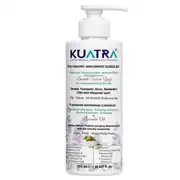
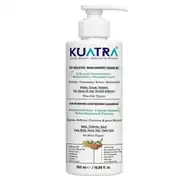
Özellikle şu durumlarda daha avantajlıdır:
- Hassas ve reaktif ciltler
- Akneye yatkın ciltler (aşırı kurutma → daha fazla yağ üretimi)
- Egzama veya rosacea gibi durumlar
Neden Daha Az Köpüren Formüller Tercih Ediliyor?
Modern kozmetik anlayışı artık “çok temizlemek” yerine “doğru ve dengeli temizlemek” üzerine kurulu.
Geleneksel yaklaşım: ➡️ Yağı tamamen yok et = Temiz cilt
Yeni yaklaşım: ➡️ Cildin doğal dengesini koru = Sağlıklı cilt
Bu nedenle düşük köpüren ürünlerde genellikle şu içerikler tercih edilir:
- Bitkisel yağ bazları
- Gliserin gibi nem tutucular
- Yumuşak temizleyiciler (örneğin coco-glucoside türevleri)
Köpük Azsa Temizlik Eksik mi Kalır?
Hayır. Ancak burada önemli olan formül kalitesidir.
Kaliteli bir düşük köpüren temizleyici:
- Kir ve fazla yağı etkin şekilde uzaklaştırır
- Cildi germeden temizler
- Kullanım sonrası “gıcır gıcır” değil, yumuşak ve dengeli his bırakır
“Gıcır gıcır temizlik” hissi çoğu zaman aşırı temizleme (over-cleansing) belirtisidir.
Sonuç: Az Köpük, Daha Akıllı Temizlik
Az köpüren şampuan ve duş jelleri:
- Daha az temizlemez
- Daha bilinçli ve cilt dostu temizlik sunar
- Uzun vadede cilt ve saç sağlığını destekler
Özellikle doğal içerikli ve bariyer dostu formüller, günümüz kozmetik anlayışında artık bir “lüks” değil, gereklilik haline gelmiştir.
Kaynakça
- Ananthapadmanabhan, K. P., & Moore, D. J. (2017). Cleansing without compromise: The impact of surfactants on skin barrier function. Dermatologic Therapy, 30(5), e12502.
- Draelos, Z. D. (2018). Cosmetic dermatology: Products and procedures. Wiley-Blackwell.
- Elias, P. M. (2012). Structure and function of the stratum corneum permeability barrier. Journal of Investigative Dermatology, 132(9), 2131–2133.
- Lodén, M. (2003). Role of topical emollients and moisturizers in the treatment of dry skin barrier disorders. American Journal of Clinical Dermatology, 4(11), 771–788.
- Mukherjee, S., Date, A., Patravale, V., Korting, H. C., Roeder, A., & Weindl, G. (2006). Retinoids in the treatment of skin aging: An overview of clinical efficacy and safety. Clinical Interventions in Aging, 1(4), 327–348.
- Rhein, L. D., & Robbins, C. R. (2012). Surfactants in personal care products and their impact on skin. Journal of Cosmetic Science, 63(5), 275–285.
- Rawlings, A. V., & Harding, C. R. (2004). Moisturization and skin barrier function. Dermatologic Therapy, 17(s1), 43–48.