

Antioksidan Nedir?
Antioksidanlar, vücutta oluşan zararlı moleküller olan serbest radikalleri etkisiz hale getiren bileşiklerdir. Serbest radikaller; UV ışınları, hava kirliliği, stres ve yanlış beslenme gibi faktörlerle oluşur ve hücrelere zarar verir.
Antioksidanlar bu hasarı azaltarak hücreleri korur, yaşlanma sürecini yavaşlatır ve cilt sağlığını destekler.
Serbest Radikaller Neden Zararlıdır?
Serbest radikaller, hücrelerin DNA’sına, proteinlerine ve lipitlerine zarar vererek:
- Ciltte erken yaşlanmaya
- Kırışıklık oluşumuna
- Leke ve ton eşitsizliklerine
- Kolajen kaybına
neden olur.
Bu sürece oksidatif stres denir.
Antioksidanlar Ne İşe Yarar?
Antioksidanların etkisi sadece ciltle sınırlı değildir, tüm vücut sağlığı için kritik rol oynar:
1. Cilt Yaşlanmasını Yavaşlatır
Antioksidanlar kolajen yıkımını azaltarak cildin daha sıkı ve genç görünmesine yardımcı olur.
2. Leke Oluşumunu Azaltır
UV kaynaklı hasarı minimize ederek cilt tonunu dengeler.
3. Cildi Çevresel Hasarlardan Korur
Güneş ışınları ve hava kirliliğine karşı koruyucu bir bariyer oluşturur.
4. Hücre Yenilenmesini Destekler
Cildin kendini onarma mekanizmasını güçlendirir.
En Güçlü Antioksidanlar Nelerdir?
Cilt bakımında ve beslenmede öne çıkan bazı güçlü antioksidanlar:
- Vitamin C (Askorbik Asit): Aydınlatıcı ve kolajen destekleyici
- Vitamin E (Tokoferol): Nemlendirici ve bariyer güçlendirici
- Resveratrol: Güçlü yaşlanma karşıtı etki
- Polifenoller: Bitkisel kaynaklı güçlü koruyucular
- Beta-karoten: Cilt yenileyici etki
Antioksidanlar Cilt Bakımında Nasıl Kullanılır?
Antioksidanları hem içeriden hem dışarıdan almak en etkili yaklaşımdır:
Topikal Kullanım
- Serum, krem veya balm formunda uygulanabilir
- Sabah rutininde kullanılması UV hasarına karşı koruma sağlar
Beslenme ile Alım
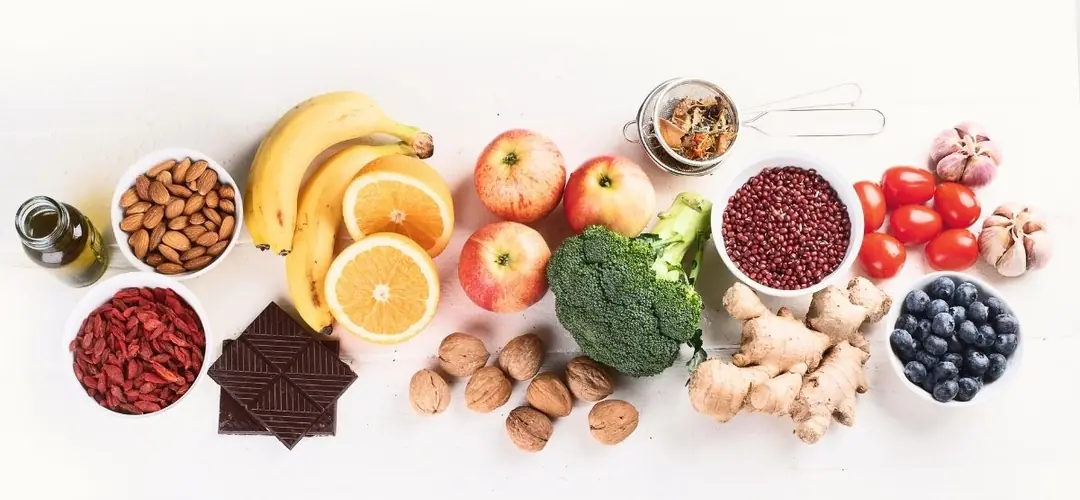
- Taze sebze ve meyveler
- Yeşil çay
- Kuruyemişler
- Bitkisel yağlar
Doğal Antioksidanlar Neden Daha Değerli?
Doğal kaynaklı antioksidanlar, ciltle daha uyumlu çalışır ve biyoyararlanımları yüksektir. Özellikle bitkisel yağlar ve balm bazlı ürünlerde bulunan antioksidanlar, cildi hem besler hem korur.
Bu noktada minimalist ve temiz içerikli formüller, cilt bariyerini yormadan maksimum etki sağlar.
Antioksidanlar ve Güneş Koruması
Antioksidanlar tek başına güneş kremi yerine geçmez, ancak güneş koruyucularla birlikte kullanıldığında koruyucu etkiyi önemli ölçüde artırır.
Özellikle mineral filtrelerle birleştiğinde, cilt üzerinde güçlü bir savunma sistemi oluşturur.
Sonuç: Cilt Sağlığının Görünmeyen Kahramanları
Antioksidanlar, modern yaşamın kaçınılmaz etkilerine karşı cildin en güçlü savunma mekanizmalarından biridir. Düzenli kullanımla daha sağlıklı, dengeli ve genç görünen bir cilt elde etmek mümkündür.
Doğru içeriklerle formüle edilmiş ürünler ve bilinçli bir bakım rutini, antioksidanların etkisini maksimum seviyeye çıkarır.
KAYNAKÇA
Ames, B. N., Shigenaga, M. K., & Hagen, T. M. (1993). Oxidants, antioxidants, and the degenerative diseases of aging. Proceedings of the National Academy of Sciences, 90(17), 7915–7922. https://doi.org/10.1073/pnas.90.17.7915
Benzie, I. F. F., & Strain, J. J. (1996). The ferric reducing ability of plasma (FRAP) as a measure of “antioxidant power”, The FRAP assay. Analytical Biochemistry, 239(1), 70–76. https://doi.org/10.1006/abio.1996.0292
Briganti, S., & Picardo, M. (2003). Antioxidant activity, lipid peroxidation and skin diseases. What’s new. Journal of the European Academy of Dermatology and Venereology, 17(6), 663–669. https://doi.org/10.1046/j.1468-3083.2003.00751.x
Burton, G. W., & Traber, M. G. (1990). Vitamin E, antioxidant activity, biokinetics, and bioavailability. Annual Review of Nutrition, 10, 357–382. https://doi.org/10.1146/annurev.nu.10.070190.002041
Finkel, T., & Holbrook, N. J. (2000). Oxidants, oxidative stress and the biology of ageing. Nature, 408(6809), 239–247. https://doi.org/10.1038/35041687
Masaki, H. (2010). Role of antioxidants in the skin, Anti-aging effects. Journal of Dermatological Science, 58(2), 85–90. https://doi.org/10.1016/j.jdermsci.2010.03.003
Pinnell, S. R. (2003). Cutaneous photodamage, oxidative stress, and topical antioxidant protection. Journal of the American Academy of Dermatology, 48(1), 1–19. https://doi.org/10.1067/mjd.2003.16
Pullar, J. M., Carr, A. C., & Vissers, M. C. M. (2017). The roles of vitamin C in skin health. Nutrients, 9(8), 866. https://doi.org/10.3390/nu9080866
Sies, H. (1997). Oxidative stress, oxidants and antioxidants. Experimental Physiology, 82(2), 291–295. https://doi.org/10.1113/expphysiol.1997.sp004024
Wölfle, U., Esser, P. R., Simon-Haarhaus, B., Martin, S. F., & Lademann, J. (2014). UV-induced DNA damage, repair, and oxidative stress in human skin. Oxidative Medicine and Cellular Longevity, 2014, 1–8. https://doi.org/10.1155/2014/380204